
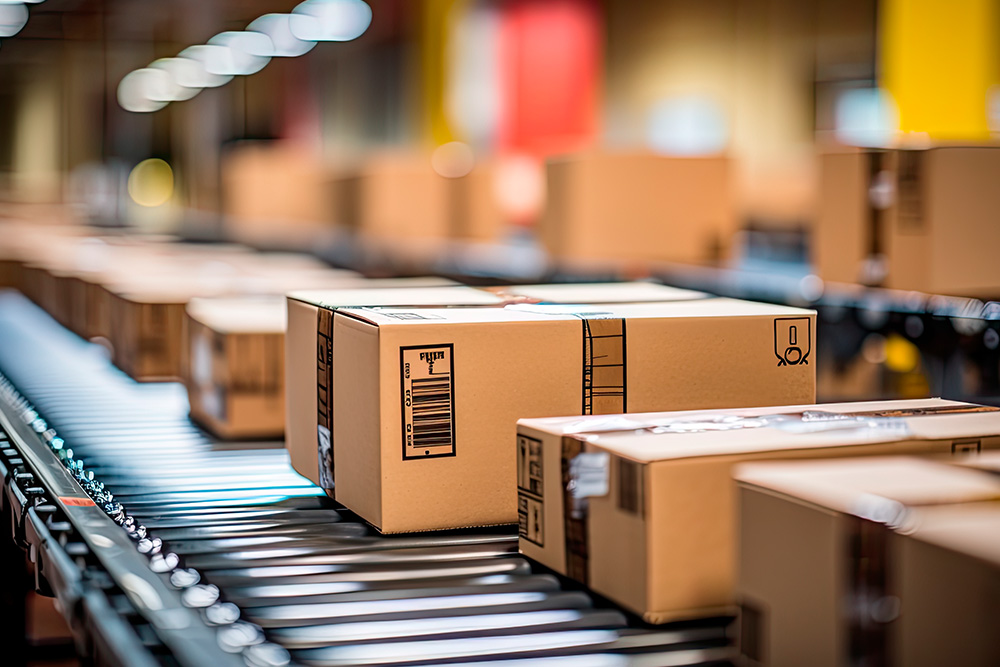
The term “fulfillment” originates from English and refers to the complete process carried out from the moment a customer places an order until they receive it in their hands. This process includes all intermediate steps such as picking, packing, shipping, delivery, and even potential returns management.
This term is commonly used in e-commerce and logistics. When we talk about “fulfillment services”, we refer to transport companies that are hired to handle all these tasks, allowing businesses to focus on other aspects of their business such as generating sales or creating products.
What is Fulfillment for?
The main function of fulfillment is to ensure that products reach customers as efficiently and effectively as possible. This involves several sub-processes, ranging from inventory management, product storage, packaging and labeling, to shipping and delivery.
These types of logistics and transport services are essential for e-commerce companies that may have thousands of orders per day. These companies may not have the time, infrastructure, or resources to handle all aspects of fulfillment, so outsourcing to a specialized company, like ours, can be the ideal solution.
Additionally, these services can provide a series of additional advantages. For example, due to our high volume of orders, fulfillment companies offer lower shipping rates. We also have advanced technology to manage inventory and track shipments, providing a level of efficiency that would be difficult to achieve on one’s own.
Importance of Fulfillment in Logistics
The role of fulfillment in logistics is vital, as it is the final link in the supply chain that connects companies with their customers.
One of the most important aspects of fulfillment is inventory management. Good inventory management ensures that products are available when customers want them, but also prevents companies from having too much stock, which can result in unnecessary costs.
Another key aspect is the speed and efficiency of delivery. In today’s world, customers expect to receive their orders quickly, and any delay can result in a poor customer experience and damage the company’s reputation. A good fulfillment service can ensure that orders are processed and shipped quickly, meeting customer expectations.
It also plays an important role in returns management. Returns are a reality in e-commerce, and handling them efficiently can be a challenge. Fulfillment services can handle the entire process, from the receipt of returned products to their restocking in the inventory, saving companies time and resources.
As you can see, fulfillment is an essential component of logistics for any online business. Because it not only benefits companies, but also customers. When done correctly, it can result in a smoother and more satisfying shopping experience. Customers can receive their orders quickly and in perfect condition, with the peace of mind of knowing that if there is any problem, it will be handled efficiently.
As ecommerce continues to grow and evolve, the role of fulfillment is likely to become even more important. In turn, this comprehensive logistics service adapts to companies of different sizes and sectors. Whether you are selling clothing, electronics, or food, fulfillment services can help you improve the efficiency of your operation and provide high-quality service to your customers.
Are you looking for a logistics company in Barcelona? Contact our team and we will design a service tailored to your needs.
Technologies in Picking
Nowadays, we have various technologies in picking. Here are the most important ones and their main aspects.
Automated Picking Systems
Automated systems use technology such as conveyor belts, automated guided vehicles (AGVs), and robots to improve the speed and accuracy of the picking process.
Use of RFID Technology and Barcodes
RFID technology and barcodes allow for fast and precise product tracking, facilitating collection and reducing errors.
Warehouse Management Software (WMS)
Warehouse Management Systems (WMS) optimize picking operations through task automation, efficient route planning, and inventory management.
Challenges and Solutions in Picking
In the complex world of logistics management, the challenges and solutions in the picking process play a crucial role in ensuring an effective supply chain.
Main Challenges in the Picking Process
Challenges include controlling a large volume of orders, maintaining picking accuracy, managing storage space, and optimizing collection times.
Strategies to Improve Efficiency and Reduce Errors
Implementing technologies such as WMS, RFID, and automated systems, combined with continuous staff training, are key strategies to overcome these challenges.
Future Trends in Picking
Let’s look at the main future trends in picking.
Emerging Innovations in the Sector
Innovations include the use of drones for order collection, augmented reality-assisted picking systems, and continuous improvements in robotics and automation.
The Impact of Artificial Intelligence and Robotics
Artificial intelligence and robotics are transforming picking, improving accuracy, reducing costs and times, and adapting to the changing needs of the market and consumers. These technologies promise a more efficient and flexible future in warehouse management.